
What is a switchboard?
Sorted Electrical is a local Brisbane business, and switchboard upgrades are one of the jobs our licensed electricians handle most often, alongside ceiling fan installation, air conditioning, smoke alarm compliance, and general household wiring across Brisbane and the Bayside area.
Your switchboard is the control point for every circuit in your home, from lighting and power points to air conditioning and hot water. In Queensland homes it is usually a grey or cream metal or resin box, either inside the house, such as a laundry or hallway cupboard, or mounted outside near the meter box on newer builds. Everything downstream of it depends on what is inside it working properly.
The trouble is, most homeowners never look inside theirs until something goes wrong. The signs below are what our electricians look for on switchboard jobs across Brisbane, and what each one actually looks or sounds like, before that happens.
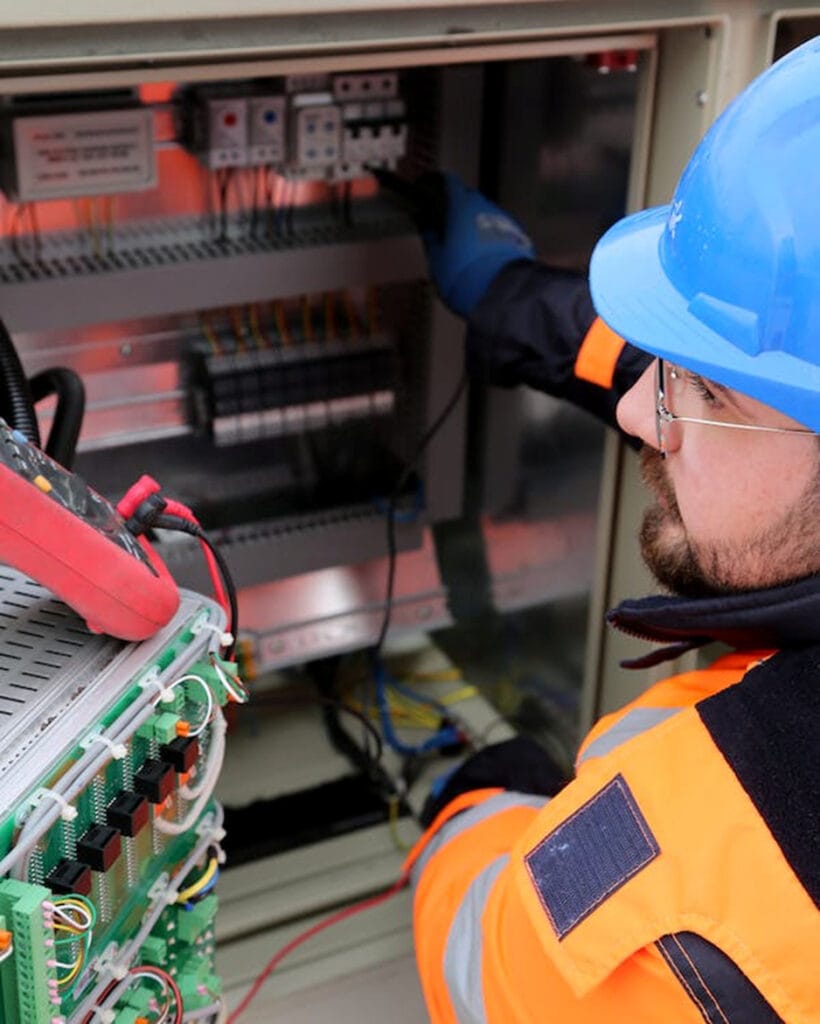
Is it time to upgrade your switchboard?
As a rule of thumb, get your switchboard checked by a licensed electrician at least every five years, and treat an inspection as overdue if it has never been touched since the house was built. Around South East Queensland that matters more than it sounds. A huge share of the housing stock is older Queenslanders, timber cottages built shortly after the war, and brick homes from the 1970s and 1980s, and it is common for the switchboard to be the one part of the house nobody has ever upgraded, even through a full renovation.
If your switchboard was installed before 1995, or you are not sure when it was last touched, it is worth having someone qualified take a look rather than waiting for one of the signs below to show up.
10 signs your switchboard needs an upgrade
1. It still has ceramic fuses instead of circuit breakers
Older switchboards use round fuses with a porcelain look, sometimes called rewireable fuses, rather than modern circuit breakers. You will usually see a row of small ceramic holders, often cream or white, each with a thin fuse wire visible behind a little window or cap, sometimes with the amp rating (5A, 15A, 20A) handwritten or printed on a fibre disc inside. Compare that to a modern board, where each circuit gets its own compact black or grey plastic switch with a toggle you can flick. There is no exposed wire, and no need to physically rewire anything to reset it. If your board still has ceramic fuses, it is very likely from before the 1980s and is a strong candidate for a full upgrade rather than a quick fix.
2. It doesn’t meet current safety switch (RCD) requirements
A safety switch (RCD) is a dedicated device, usually with its own “test” button, that cuts power almost instantly if it detects current leaking to earth, which is what causes most electric shocks. Queensland’s requirements for RCD coverage have expanded significantly over the past couple of decades, to the point where most circuits in a modern home need one. If your board has no switch marked “test,” or only one or two RCDs covering a handful of circuits rather than the whole board, it is not meeting the standard expected of a home built or renovated today.
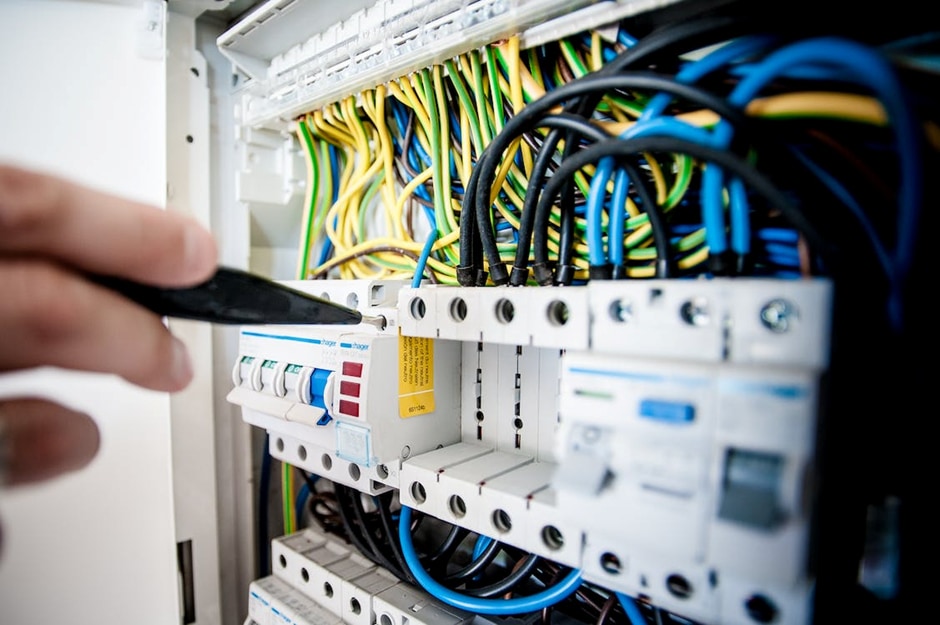
3. Breakers are tripping, or fuses are blowing, more than they used to
Occasional trips during a storm are normal. A pattern is not. If the same breaker trips whenever you run the air conditioner and the kettle together, or a fuse blows every few weeks without an obvious cause, that is usually a sign the circuit, or the board itself, is under more strain than it was designed for, rather than an isolated fault.
4. You can see scorch marks, discolouration, or feel heat around the board
This one is urgent rather than a sign to simply keep an eye on. Look for browning or blackened plastic around a switch or fuse holder, a slightly melted or warped look to the casing, or a faint burning smell near the board, even if nothing looks obviously damaged from a distance. If the switchboard cover feels warm to touch, that is not normal either. Any of these mean you should get an electrician out promptly rather than waiting for a scheduled check.
5. There’s a buzzing or humming sound from the switchboard
A healthy switchboard should be silent. A faint but steady buzz or hum, sometimes only noticeable if you stand right next to it, usually points to a loose connection or a component such as an old fuse holder starting to arc internally. It is easy to miss because it does not affect anything visibly. It is still one of the more reliable early warning signs that something needs attention before it becomes a heat or fire issue.

6. It contains asbestos backing
Many switchboards installed before the early 1980s used a flat asbestos cement sheet as the backing board behind the fuses and wiring. It is a smooth, greyish panel that can look a lot like ordinary fibre cement. If your home was built before 1990 and the switchboard has never been replaced, this is worth assuming until a licensed professional confirms otherwise. Do not touch or disturb it yourself. Leave the assessment to a licensed professional. Undisturbed asbestos is generally low risk, but it needs to be assessed and handled by someone qualified.
7. There’s no room left in the board for new circuits or safety switches
Open the cover and you will be able to see this one directly. Modern boards have spare “ways,” or empty slots, so a new circuit or an extra safety switch can be added later without a full rebuild. Older boards are often completely full, with fuses or breakers packed in tight with no room to spare. If there is genuinely no space left, adding a new power circuit, an EV charger, or extra RCD coverage means the board needs to be upgraded or replaced first, rather than worked around.
8. It wasn’t built for how much your home actually uses now
A switchboard installed decades ago was sized for lighting, a fridge, and maybe a window air conditioner. It was not sized for ducted air conditioning, an induction cooktop, a home theatre setup, and multiple devices charging at once. If lights dim noticeably when a large appliance kicks in, or the board just feels like it is constantly close to its limit, that is a capacity issue rather than something a single fuse replacement will fix.
9. It’s holding back solar or a home battery
Older switchboards frequently do not have the spare capacity, the right type of main switch, or the safety switch coverage that a solar inverter or battery installation requires. If you have had a solar quote come back with a note that your switchboard needs upgrading first, that is a direct sign your board is not ready. It is one of the most common reasons Brisbane homeowners end up upgrading.
10. It’s showing up as an issue in building inspections or insurance questions
Ceramic fuses, missing safety switches, and boards backed with asbestos are all things a building and pest inspector will flag as a matter of course, and they can come up when insurers ask about the age and condition of your home’s electrical system. If you are selling, refinancing, or renewing insurance and your switchboard has come up before, it is worth addressing rather than hoping it does not come up again.
Noticed one or more of these signs? Here’s what a switchboard upgrade actually involves, and what it costs.
What upgrading actually involves
Your electrician removes the old fuses or breakers, fits a new switchboard with modern circuit breakers and full RCD coverage, and reconnects your existing wiring to it. The job is usually completed within a day, unless it turns up something more complex once the board is opened up. For the full process and typical cost ranges for Brisbane homes, see our switchboard upgrade service page.
Upgrade Your Switchboard with Sorted Electrical
If you have spotted even one of the signs above, especially scorch marks, heat, or a buzzing sound, it is worth getting a licensed electrician to take a look sooner rather than later. If you are in Chandler, Mount Gravatt, or anywhere else across Brisbane and the Bayside area, Sorted Electrical is your first choice for a switchboard upgrade. We can also help with other household electrical needs, including renovations, extensions, repairs, general maintenance, and wiring for new home builds. Contact us today to discuss what you need.


